



Discover how Christopher Nolan transformed Morocco’s UNESCO-listed Ait Ben Haddou into the legendary city of Troy for The Odyssey, further cementing Ouarzazate’s reputation as one of the world’s leading film destinations.
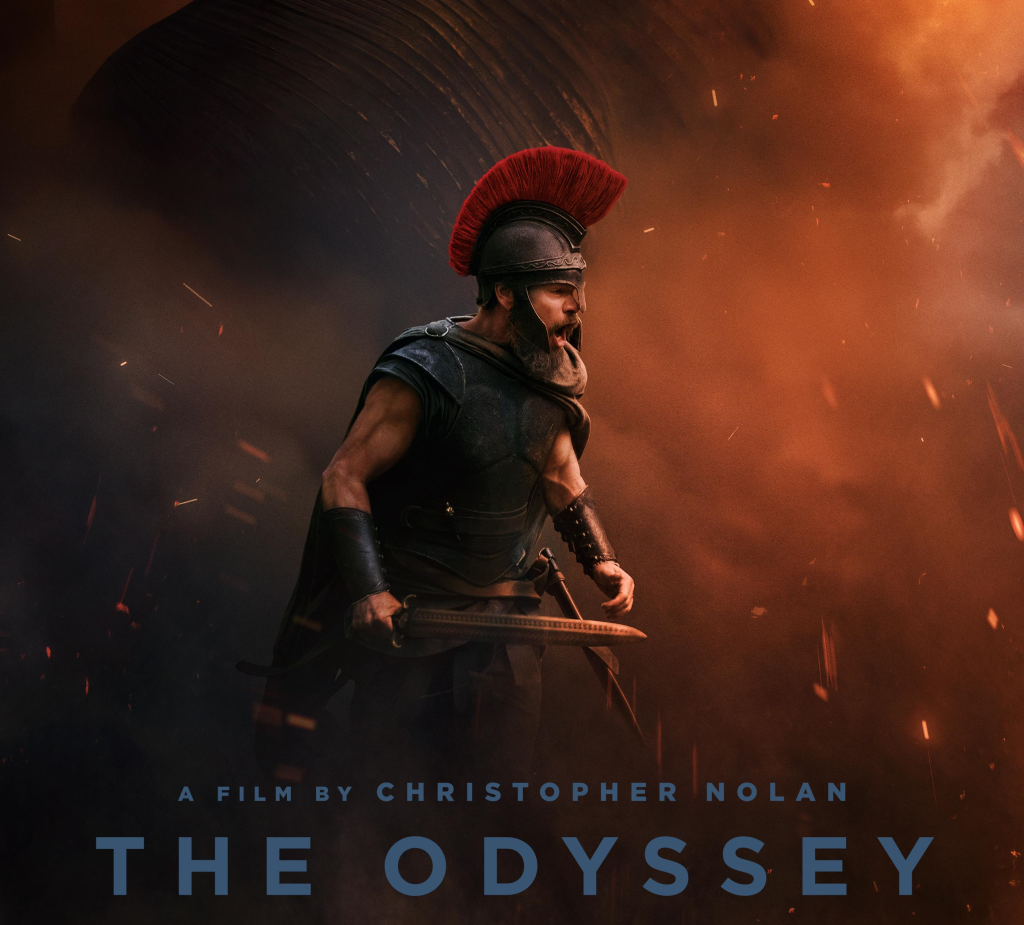
Christopher Nolan’s highly anticipated epic The Odyssey has once again placed Ouarzazate, Morocco, at the center of international cinema. The Academy Award-winning director selected the legendary Ait Ben Haddou, a UNESCO World Heritage Site, to portray the ancient city of Troy, adding another prestigious title to the region’s extraordinary cinematic history.
Known as the Hollywood of Africa, Ouarzazate continues to attract the world’s biggest filmmakers thanks to its spectacular landscapes, historic architecture, experienced film crews, and world-class production facilities.
Ait Ben Haddou Becomes the Legendary City of Troy
Few locations in the world can convincingly recreate civilizations separated by thousands of years. Ait Ben Haddou is one of them.
For The Odyssey, Christopher Nolan transformed the iconic fortified village into the legendary city of Troy. Its centuries-old earthen walls, narrow streets, fortified towers, and impressive architecture perfectly capture the grandeur required for Homer’s timeless epic.
Since being designated a UNESCO World Heritage Site in 1987, Ait Ben Haddou has become one of the world’s most recognizable filming locations. It has successfully portrayed ancient cities, medieval kingdoms, and fantasy worlds while preserving its authentic Moroccan identity.
Christopher Nolan’s decision reinforces the site’s reputation as one of the most versatile outdoor film sets anywhere in the world.
Ouarzazate’s Long Legacy in International Cinema
Long before The Odyssey, Ouarzazate had already established itself as one of the global film industry’s favorite destinations.
Major productions filmed in the region include:
- Gladiator
- The Mummy
- Kingdom of Heaven
- Prince of Persia
- Babel
- Game of Thrones
- The Last Temptation of Christ
- The Jewel of the Nile
For decades, directors have chosen Ouarzazate because it offers an unmatched combination of deserts, mountains, kasbahs, historic villages, and modern film studios—all within a relatively small geographical area.
Morocco’s Diverse Landscapes Continue to Attract Hollywood
Although Ouarzazate served as the film’s primary location, The Odyssey also featured scenes shot in Essaouira, Marrakech, and Dakhla.
This geographical diversity allows Morocco to offer filmmakers an exceptional range of settings, including:
- Ancient historical sites
- Sahara desert landscapes
- Atlantic coastlines
- Imperial cities
- Mountain scenery
- Traditional villages
Few countries can provide such varied locations without requiring productions to move between multiple nations.
A Major Boost for the Local Economy
Hosting an international production extends far beyond global visibility.
Large-scale film productions generate substantial economic benefits for local communities by creating employment opportunities for:
- Film technicians
- Camera crews
- Costume designers
- Makeup artists
- Set builders
- Security personnel
- Drivers
- Local actors and extras
- Hotels and guesthouses
- Restaurants
- Transport companies
- Craftsmen and suppliers
Hundreds—and sometimes thousands—of local professionals contribute to productions of this scale, making cinema one of Ouarzazate’s most important economic sectors.
Moroccan Talent Behind the Camera
Ouarzazate’s success is not based solely on its breathtaking landscapes.
Over several decades, Morocco has developed a highly skilled workforce capable of meeting the demanding standards of Hollywood productions.
Local technicians, production assistants, costume designers, electricians, decorators, camera operators, and logistics specialists have earned an international reputation for professionalism, reliability, and efficiency.
Among the Moroccan professionals involved in The Odyssey is Zineb El Idrissi, who worked in the costume department. Her contribution reflects the growing importance of Moroccan talent within international productions.
Reports from the production also indicate that some filming locations involved nearly 1,000 crew members and support staff, highlighting the scale and complexity of the project.
Building the Future: Ouarzazate International Cinema City
While international productions continue to arrive, Morocco is investing in the future of its film industry.
Construction has recently begun on the International Cinema City in Ouarzazate, a major project designed to strengthen the city’s position as one of Africa’s leading filmmaking hubs.
Built on 10.49 hectares with an investment of approximately MAD 240 million, the new complex will provide modern facilities for:
- Film production
- Television production
- Visual effects
- Post-production
- Professional training
- Set construction
The project aims to attract even more international productions while creating long-term employment opportunities for Moroccan professionals.
Why Ouarzazate Remains Hollywood’s Favorite Destination in Africa
Ouarzazate offers a unique combination that very few destinations can match:
- Spectacular desert landscapes
- UNESCO World Heritage sites
- International film studios
- Experienced production crews
- Competitive production costs
- Excellent weather throughout the year
- Rich cultural heritage
- Modern filming infrastructure
These advantages continue to position Morocco among the world’s most attractive filming destinations.
A New Chapter in Ouarzazate’s Cinematic History
Christopher Nolan’s The Odyssey is more than another blockbuster filmed in Morocco.
It represents another milestone in Ouarzazate’s remarkable journey as an international filmmaking destination. By transforming Ait Ben Haddou into the legendary city of Troy, the production once again demonstrates the region’s extraordinary ability to bring history, mythology, and imagination to life on the big screen.
As Ouarzazate continues investing in modern infrastructure, skilled professionals, and sustainable development, the City of a Thousand Kasbahs is evolving from a spectacular filming location into one of the world’s leading centers for film production.
